Prioritising Wellness: A Guide for Casino and Hospitality Workers
In the dazzling, non-stop world of UK casino resorts, the lights never dim and the energy never fades—but for the dedicated workforce behind the tables, bars, and hotel desks, this 24/7 rhythm comes at a cost. Casino and hospitality professionals face a unique constellation of pressures: gruelling shift patterns, high-stakes client interactions, and the physical demands of a bustling entertainment environment. Conventional wellness advice, tailored for the standard nine-to-five, often misses the mark entirely for those whose ‘lunch break’ might be at 2 am. This guide is specifically for you, offering a realistic, actionable roadmap to build resilience and thrive within the vibrant, demanding casino industry.
Why Casino Workers Need Tailored Wellness
The glamour of a casino floor or a luxury hotel lobby belies the intense physical and mental labour required to keep them operating seamlessly. From dealers and croupiers to security, hospitality, and management, staff navigate a world that operates on its own clock, directly impacting health in ways a typical office job does not. For major employers like The Hippodrome Casino in Leicester Square—one of the UK’s largest casino and entertainment complexes—these challenges are a daily reality for thousands of team members. A one-size-fits-all approach to wellbeing simply won’t suffice when your body and mind are operating against a conventional circadian and social rhythm.
The Physical Toll: Standing, Lifting, and Long Shifts
The sheer physicality of a casino shift is immense. Hours spent standing static on the gaming floor lead to foot, knee, and back pain. Lifting heavy trays, moving equipment, or restocking bars adds a layer of strain. Combine this with long, often 10-12 hour shifts, and the body’s recovery systems are pushed to their limit. This constant physical demand, without targeted recovery strategies, can lead to chronic musculoskeletal issues, fatigue, and a heightened susceptibility to injury.
The Mental Game: Stress, Focus, and Emotional Labour
Beyond the physical, the psychological load is substantial. Workers must maintain razor-sharp focus amidst a cacophony of sounds and lights, manage high-value transactions with precision, and consistently deliver exceptional customer service—often while managing patrons’ heightened emotions. This ’emotional labour’, the requirement to display prescribed feelings, is draining. Furthermore, the irregular hours disrupt social connections and family life, contributing to stress and isolation. The scientific link is clear: shift work common in casinos is linked to increased risk of metabolic and sleep disorders, compounding both physical and mental fatigue.
Core Elements of an Effective Wellness Programme
Addressing these unique challenges requires a wellness framework built on industry-specific understanding. An effective programme for casino staff must move beyond fruit bowls and gym discounts to tackle the core issues of mental resilience, shift-friendly nutrition, and genuinely accessible fitness.
Mental Health and Resilience Building
Proactive mental health support is not a perk; it’s a necessity. This includes access to confidential counselling services that understand shift work, and training for managers to recognise signs of burnout. Initiatives like stress-management workshops and mindfulness sessions can be scheduled to accommodate rotating rosters. It’s also crucial to signpost industry-specific resources, such as the UK charity Hospitality Action, which provides free, confidential support and advice to hospitality workers facing everything from financial difficulty to mental health crises.
Nutrition for Erratic Schedules
When your ‘day’ starts at 8 pm, traditional meal planning falls apart. Nutritional guidance must focus on sustaining energy, aiding digestion at odd hours, and making smart choices when only convenience food is available. Key strategies include:
- Meal Prep for Shifts: Preparing balanced, portable meals in advance to avoid reliance on sugary snacks or fast food during breaks.
- Strategic Snacking: Focusing on protein and healthy fats (e.g., nuts, yoghurt, hard-boiled eggs) for sustained energy, rather than quick carbohydrate hits that lead to crashes.
- Hydration Focus: Counteracting the dehydrating effects of air-conditioned environments with consistent water intake, limiting diuretics like excessive caffeine close to intended sleep time.
Accessible Fitness Solutions
Fitness must be adaptable. After a 10-hour shift, a 90-minute gym session is an unrealistic ask. Effective solutions promote short, high-impact workouts, active recovery (like walking or stretching), and the strategic use of on-site facilities. The goal is movement that boosts energy for a shift or aids recovery after one, not that adds to the fatigue burden.
Making the Most of On-Site Casino Hotel Gyms
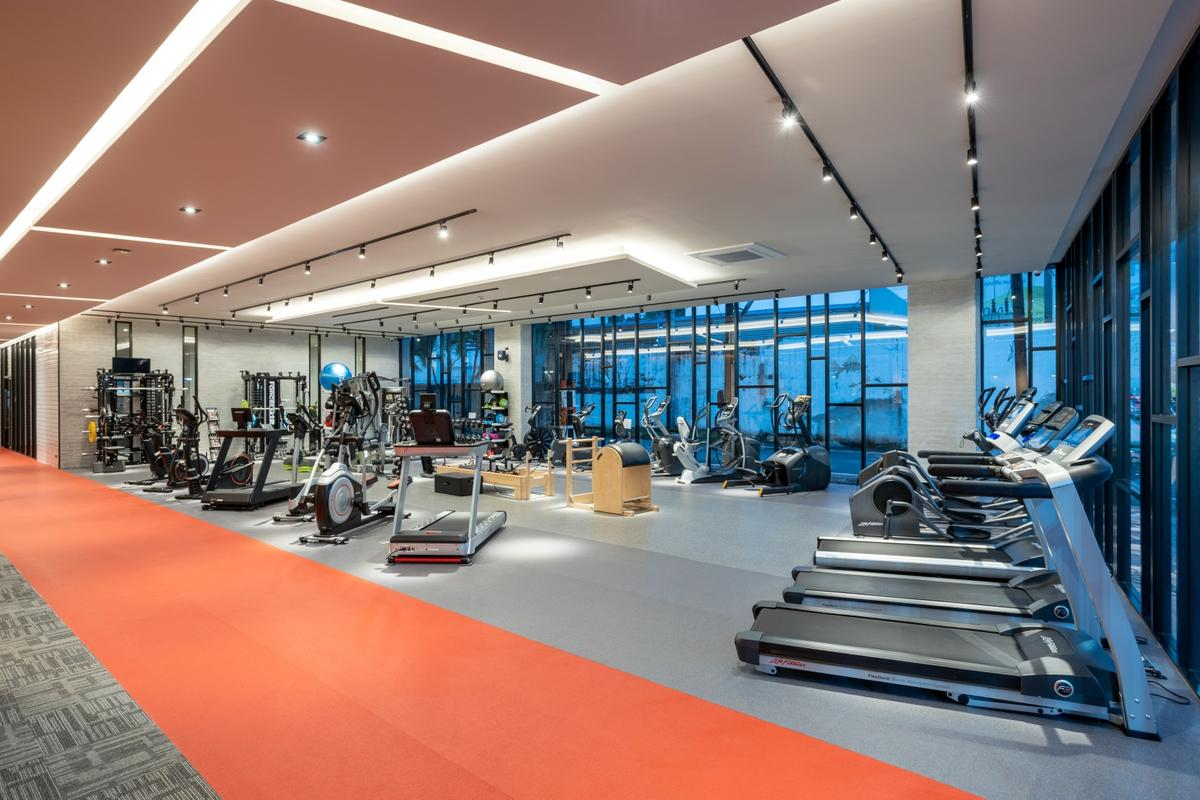
Many UK casino hotels and resorts offer on-site fitness facilities, providing a convenient resource for staff. From the gym at The Grosvenor Victoria Casino on Edgware Road to facilities within larger integrated resorts, these spaces can be a wellness lifeline if used strategically.
Efficient Pre- and Post-Shift Workouts
The key is efficiency and purpose. A pre-shift workout should be energising, not draining. A 20-30 minute circuit focusing on dynamic movements, bodyweight exercises, and light cardio can boost alertness and mood. Conversely, a post-shift session should prioritise recovery: think gentle mobility work, foam rolling, or a short, low-intensity cardio session to help the body unwind and transition towards rest.
Recovery Techniques for Aching Bodies
On-site gyms often have tools perfect for recovery. Dedicate time to stretching major muscle groups (calves, hamstrings, lower back, shoulders). Use a foam roller to alleviate tightness. If available, a few minutes in a sauna or steam room can aid muscle relaxation—though always follow with hydration. The gym isn’t just for lifting; it’s a key space for physical maintenance.
Overcoming Common Barriers to Wellness
Knowing what to do is one thing; fitting it into the reality of casino life is another. Let’s tackle the most common obstacles head-on.
Time and Schedule Hacks
Your schedule is unpredictable, so your wellness plan must be fluid. Embrace the concept of ‘micro-workouts’: five minutes of stretching during a break, ten minutes of bodyweight exercises before a shower, or a brisk 15-minute walk before your shift starts. Use calendar alerts to schedule these non-negotiable moments for yourself, just as you would a work meeting.
Wellness on a Budget
Wellbeing need not be expensive. Beyond using free on-site facilities, explore local council-run gyms, which are often cheaper. The UK’s vast network of free outdoor fitness equipment in parks is a fantastic resource. Participate in free community events like local park runs (many have Saturday and Sunday events, which may align with your days off). Wellness is about consistency with small, sustainable actions, not expensive gear or memberships.
Case Studies: UK Resorts Leading the Way
Forward-thinking establishments are recognising that staff wellness is integral to operational excellence. For instance, venues like Crown London Aspinalls have been known to invest in tailored staff wellbeing initiatives, understanding that a supported team delivers a superior guest experience. Meanwhile, larger integrated resorts, such as the Genting International Casino in Birmingham at Broadway Plaza, often feature comprehensive staff facilities including dedicated wellness areas, recognising that many large UK casino resorts now see such investments as standard for retaining top talent in a competitive industry.
Building Your Personal Wellness Toolkit
Ultimately, your wellness is your responsibility, but you don’t have to build it alone. It’s about creating a personal system that works within the framework of your career.
Advocating for Workplace Support
Use your voice. If your workplace lacks support, constructively advocate for it. Present the business case for wellness programmes—reduced absenteeism, higher staff retention, improved service. Suggest partnerships with organisations like Hospitality Action or the introduction of rotating, shift-friendly fitness classes. Change often starts with a single, well-informed suggestion.
Creating a Sustainable Personal Routine
Build a non-negotiable core routine that survives shift changes. This could be a 10-minute morning meditation, a dedicated wind-down ritual before sleep (regardless of the time), or a weekly phone call with a supportive friend. Connect with peers at work to create a supportive network; consider a ‘wellness WhatsApp group’ for sharing tips, motivation, and organising walks or activities on shared days off.
Investing in your holistic wellness is not an indulgence; it’s a non-negotiable part of sustaining a successful, long-term career in the thrilling world of casinos. By understanding the unique demands, leveraging available resources, and building a resilient, personal toolkit, you can ensure you thrive under the bright lights, not just survive them.